TAKING CARE OF BUSINESS: Special Sales, The Buck Starts Here

(In this guest blog by Brian Jud, learn some marketing tips that apply to many products and services in addition to the book business.)

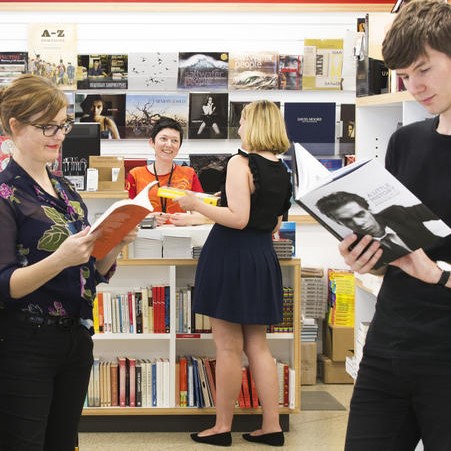
The term special sales is commonly used to describe sales opportunities outside of bookstores. Also referred to as non-bookstore (or non-traditional) marketing, it can be a profitable source of new revenue.

The best way to exploit this opportunity is to divide it into two segments. One is retail in which you reach buyers using a network of middlemen. The other segment is comprised of direct sales to non-retailers that use books as marketing tools.

1) Selling to retailers. You are already familiar with this sector. You find distributors or wholesalers to get your books into retail outlets where they are sold off the shelf to consumers. Payments are made in two or three months and unsold books are returned.

* Discount stores and warehouse clubs. Books are discounted heavily and do not offer the same margins of some larger-ticket products. Therefore, these retailers limit shelf space to the “brand-name” authors and top-selling books.

* Airport stores. Books on management, investment, economics, business biography, personal finance and health sell well among business travelers. Books for children also tend to do well in these outlets, especially children’s “activity books.” Popular fiction always sells in this environment.

* Supermarkets and pharmacies. Cookbooks, travel books and regional titles move in supermarkets, but health-related topics sell better in drugstores. Children’s titles also seem to do well in supermarkets, but fiction remains the mainstay there.

* Museums, zoos and national parks. Most of these have a gift shop, and to get in them you must demonstrate how your books can educate and entertain their guests.

* Gift shops. This category includes large chains such as Pottery Barn, Yankee Candle, Bath and Body Works, Pier One and Crate & Barrel, Hallmark Stores and Spencer Gifts. It also includes hotel and hospital gift shops.

* Specialty stores. You could sell your “expert” books in home-improvement centers, pet shops, auto-supply stores, camera shops, toy stores or business-supply stores – retailers that serve identifiable groups of people with a common interest in your content.

2) Non-retail sales. Corporations, associations, schools and the armed services buy books directly from publishers. You sell directly to buyers in these organizations. Sales are typically made in large quantities, returns are rare and payment is received more quickly.

* Businesses. Call on product or brand mangers who may use your books to introduce new products, to reward buyers for making a purchase or as a gift to customers.

* Associations. There are over 135,000 nonprofit membership organizations worldwide. Consider donating a percentage of each sale to a charitable, non-profit organization to help finance their cause.

* Schools. The academic marketplace is an opportune segment for publishers, one using books as a foundation for its existence. It impacts people of all ages, from pre-school through graduate school and adult education courses.

* Military. You can sell books domestically or overseas, to military exchanges and libraries, Department of Defense Dependent Schools, onboard ships, to retired military personnel and to the families of military personnel.

Special-sales marketing is not a separate way of doing business. It is not even a new way of doing business. It is an integral part of overall marketing strategy. Simply divide non-bookstore marketing into its two component parts and you may find hundreds, if not thousands of prospective customers for your titles.

******************************************************************

Brian Jud is the Executive Director of the Association of Publishers for Special Sales (APSS – http://www.bookapss.org – formerly SPAN) and author of How to Make Real Money Selling Books and Beyond the Bookstore. Contact Brian at brianjud@bookmarketing.com or http://www.premiumbookcompany.com and twitter @bookmarketing


How much is that doggie bag in the window, and does using it label me as cheap or old?

Is using zip-locked bags at restaurants a sign of growing old? i asked myself this the other day in a luncheon meeting attended in the main by seniors or mature adults as they’re now called by some. At the end of the meal, several opened their purses and pulled out their own plastic sacks for leftovers, and i recalled times I’d seen my older relatives do the same. Indeed, my father at about age 70 raided the centerpiece on the buffet line at a steakhouse, claiming, “Oh, they want you to take the whole fruits and vegetables.”

As a self-proclaimed environmentalist of many years standing, I’m torn by this action. What if they favor bringing their own containers? That’s more acceptable. Obviously tossing some Tupperware Is a greater emotional challenge than ridding yourself of a flimsy sack. Or is my problem the association of baggies with aging? i have sufficient signs of my status, what with my gray hair and creaking knees, shortened temper, and equally shortened height. I don’t need anyone, or myself, using my salvage of leftovers as an additional indicator of my status.

In most of this country, it’s acceptable to pack and remove remaining food from your restaurant meal. Not always the case over the globe. Appears that Europe is exempt from this habit in the main, while Asians cheerfully carry nibblies out. However there are exemptions even here. The idea of toting goodies after a private dinner is widely disputed in advice columns, and I don’t think it’s ever been resolved. Should you, as the hostess, offer leftovers to guests, particularly if they potlucked the original dish in? Or do you, as hostess, deserve all the leftovers because you took the time and trouble to organize the party?

From experience I can tell you salvaging food after an event is not necessarily a happy situation, regardless of the money you think you’re saving on your food budget. Ask my husband who suffered through approximately ten dinners of leftover turkey, starting with sandwiches through tetrazzini and on to several days of turkey soup disguised as stew, then stroop, finally thin soup.

Certainly guests should ask, or, better yet, wait for the hostess to offer before knocking others out of the way to secret the remaining prime desserts in your tote made of any kind of material. Do you want to save a few pennies and, at the same time, lose a friendship?

Then there are business functions. The best advice is never to save remnants from these functions. Makes you appear desperate and cheap, two conditions to avoid if you’re hoping to impress bosses or clients.

I’ve strayed far afield from my original hypothesis—that carrying zip-locked plastic bags marks you as aging. Maybe my sensitivity to the potential of personality characteristics to adversely set me apart from the general population is too great. I need to decide if my over-riding concern is money, environmentalism, or stereotypes. I’ll ponder that question while I snack on some cheese tidbits I rescued from yesterday’s meal out with neighbors.

What I Write and Why I Write

I read to escape and I write to do the same. I’ve devoured books since I was a child and discovered the joy of writing in middle school. I wrote articles for our local paper for several years focusing on school events and happenings. As I look back, I never considered writing as a career. It was always a fun hobby but not something I thought of as a real job. I retired a few years ago and have since dedicated myself to a second career as a novelist. I write in two genres–women’s fiction and mystery. I love the escape reading a great book offers.

I find the same enjoyment when creating characters and stories. My women’s fiction series is set in the San Juan Islands, off the coast of Washington state. While on a trip to the area, I saw a woman on the ferry with a golden retriever. As I watched her, the beginning of the story for my first novel, Finding Home, took root. In the Hometown Harbor Series, I created a community of people in one of the most beautiful settings I’ve visited.

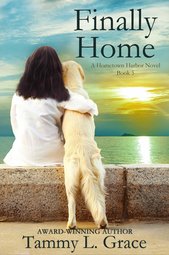
Each of the stories features a different woman, who is in the midst of a journey of self-discovery. I love to read series and enjoy novels in which characters are intertwined and appear throughout. In these works, I’ve tried to create a place readers want to visit. They’re the type of books readers can curl up with and get lost in, while sipping a cup of tea. I also purposely created characters that were a bit more mature than those in many modern novels. The women in the series are easy to relate to and have problems readers in their forties, fifties, and beyond will find familiar.  The fifth book in this series, Finally Home, releases on June 20th.

My favorite types of books to read include mysteries and thrillers. While on a trip to Nashville, the idea for a mystery series was hatched. I created a lovable bachelor detective who lives with his aunt in the exclusive Belle Meade area in Nashville. My main character, Coop, and his dog, Gus, along with his right-hand woman, Annabelle, find themselves in the midst of twisty murder cases. I released the second book in the Cooper Harrington Detective Series, Deadly Connection, late in 2016. I find writing in the mystery genre to require a more detailed outline and process than the more character-centered women’s fiction genre. I enjoy the challenge of creating a twisty, but believable plot for the murder mystery.

I’ve discovered visiting new areas and travel inspire my ideas. I love character creation and spend a lot of time interviewing my characters so I’m able to develop them for my readers. I’m also a people-watcher and pay close attention to how people act and what they say. It’s a great exercise for building characters or coming up with a new personality.

In person I like no drama. Creating stories and characters fills the void in my otherwise predictable and prosaic life. I’m having much more fun in this next chapter of my life than in my pre-retirement years. I wish you the joy of finding many good books to fill your days. I’d love to hear from readers, so please connect with me by visiting my website at http://www.tammylgrace.com/.

– Tammy Grace

(Tammy L. Grace writes romance and mystery books. Visit her at http://www.tammylgrace.com)


April Is the Cruelest Month, but It Brings Lilacs

Lilac bushes present their flowers profusely in spring, most often in April. For Colorado, this means the grandiose display might fall victim to late snows and freezes. The unstated counsel from the annual spectacle of cascading buds points out that for life to continue, lilacs, as well as all living things, have to face risks. So lilacs bloom according to their nature and occasionally lose the race to obtain sufficient warmth and water to strut their stuff.

Lilacs possess a special attraction for me. I don’t know why, have tried to analyze it to see how the feeling of joy that swells in me when I spot the lilacs might be transferred to other situations. Although I’ve been unsuccessful, I think it has something to do with childhood.

My strongest memory of the flower is from about the age of six. My family was living with my grandfather in a tiny Minnesota rural town. The lilac bush grew beside his small two story frame house, which lacked an indoor toilet and potable water. It compensated by having a glorious plant, at least eight feet tall (remember, I was probably three feet tall at the time), and eight feet in circumference. If I shoved through the first layer of branches in grasping distance, I could push them aside to reach a hollowed -out interior. A secret house, a retreat, a place to hide, where the scent of the lilacs surrounded me. There I would host parties for my dolls and build creations from twigs, stones and scraps of this and that.

I wasn’t alone in this belief that lilac bushes were places of enchantment. They lent their presence to stories and poems, such as Louisa May Alcott’s novel Under the Lilacs. Because lilacs are so ubiquitous, growing in nearly every area of the US except the South and places that lack a cold winter, readers immediately recognize their beauty and familiar comfort. They’re a common symbol for spring, for rebirth, for determination.

Somehow, over the years, it seems to me lilacs have toned down their persistent awesome fragrance. Decades ago one early morning while taking a walk, I was struck by their delicate scent wafting at least a block in all directions. Since then I’ve wondered if I’d been up especially early when the cool air was friendlier to the perfume or had there been less traffic exhaust than usual through some fluke? Ever since then I’ve had to step close, to bury my nose in the blooms in order to catch the bouquet. Another victim of ever-increasing population growth and traffic.

Lilacs are glorious. When I see them, I want to embrace them, bury my body in them. I wonder what passersby in the local park think when they see me standing motionless deep within a bush, clinging to an armful of branches. Talk about tree-huggers! No other plant inspires in me such intensity. I’m a victim, just like the Greek who created the story about lilacs.

According to Greek mythology, the enchantment of lilacs began when Pan, god of forests and fields, spotted a gorgeous nymph named Syringa (lilac’s botanical name). Captivated by her beauty, he chased her through the forest. Frightened by Pan’s affections, Syringa used her powers to turn herself into an aromatic bush, thus escaping him. The plant, which we refer to as lilacs, symbolize in the language of flowers, the first emotions of love (purple), while white lilacs represent youthful innocence.

Enhancing and enlarging upon the varied emotions I associate with lilacs is an unforgettable statement by T.S. Eliot from his masterpiece The Wasteland. He magically combines thoughts of beauty, life, death, and pain into one soul-shaking phrase. “April is the cruelest month, breeding lilacs out of the dead land, mixing memory and desire, stirring dull roots with spring rain.”Bring ‘em on. I welcome lilacs.

How Love Gives Foster Children Hope for a Better Future

Over 400,000 children are living in foster homes in this country. I know two special people who have shared their home and hearts with fortunate foster children, my brother Jim and his wife Marty, two remarkable people from South Carolina who willingly gave shelter and hope to 32 foster children over 15 years. In addition to loving and guiding foster children; these special people raised five children of their own who, like their parents, are doing extraordinary things with their ordinary lives.

People become foster parents for many reasons. Jim and Marty’s started as an act of love. They love children, and theirs were almost grown. With only one daughter at home, they still had lots of love to give. They found recipients for all their love in the constant need for foster parents.

The strains of parenting can take a toll on foster parents, mandating an occasional break. At times the need to pause occurs after a painful ending, such as the return of a child to an abusive parent. Following a recharge of their emotions, they resume foster parenting because they believe that God creates every child for a special reason, their motivation to continue. The couple want their foster care babies to know how much they are loved. After a year of constant love, most children are better able to cope with their life circumstances.

Among the many rewards to foster parents when they give themselves to their children is the knowledge they are opening new doors for the children, providing a window to a new world, a gift perhaps greater those the children receive. Jim and Marty recall many special moments over the years. Their extended family shares in their love of each foster child, and foster kids go to the beach for a week with the extended family, where they are embraced by friends and family alike.

The sharing and the love continue in their church when babies are passed around. People like to hold them and love them. This sharing is especially heartwarming since some babies, not conceived in love, are smothered with love while being fostered. As a result of their participation in foster parenting, Jim and Marty have facilitated several successful adoptions and still get pictures of these kids as they are growing up. The couple say that it is wonderful to see them so happy.

Foster children often have been through bad experiences that stay with them for their lifetimes. A welcome in a safe and loving home starts them on a different path, reassuring them that times will get better, they are lovable and loved. They learn problems at home are not their fault.

Foster parents believe they have an obligation to care for children who cannot care for themselves. Every person is a child of God and deserves not only the basics of life like food, clothes and a home, but also the love and care of people who are willing to open their hearts to them.

(Storyteller Judy Kundert relates folk, fairy tales, and classics to                               elementary school children. Most of her time, she writes award-winning stories middle grade novels. Her first women’s fiction novel, Hanging Cloud, is due in December 2017. To learn more about Judy, visit http://judykundert.com/)
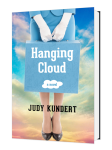
Judy’s forthcoming women’s novel

READERS AND WRITERS INTERESTED IN READING ABOUT CHILDREN’S EXPERIENCES IN FOSTER CARE CAN SAMPLE FIVE EXCELLENT BOOKS:

  • THE STORY OF TRACY BEAKER BY JACQUELINE WILSON. YOUNG TRACY HAS BEEN IN FOSTER CARE FOR AS LONG AS SHE CAN REMEMBER. MAYBE ONE DAY TRACY’S MOTHER WILL SHOW UP AND RECLAIM HER LONG-LOST DAUGHTER, BUT IN THE MEANTIME, TRACY’S DOING EVERYTHING SHE CAN TO TAKE CARE OF HERSELF. THEN A JOURNALIST WRITING A STORY ABOUT THEIR ORPHANAGE STRIKES UP A SPECIAL FRIENDSHIP WITH TRACY.

  • THE PINBALLS BY BETSY CROMER BYARS. CARLY, THOMAS J., AND HARVEY ARE UNWANTED KIDS WHO HAVE ALL HAD HARD KNOCKS UNTIL THEY FIND THEMSELVES IN THE SAME FOSTER HOME. ONE BATTERED, ONE RUN OVER BY A CAR, AND ONE EMOTIONALLY LOST, THEY ALL ARE DETERMINED TO FIND HOPE IN THEIR NEW HOME AND IN EACH OTHER.

  • MAYBE DAYS: A BOOK FOR CHILDREN IN FOSTER CARE BY JENNIFER WILGOCKI. FOR MANY CHILDREN IN FOSTER CARE, THE ANSWER TO QUESTIONS IS OFTEN ‘MAYBE.’ THIS PRIMER IS A STRAIGHTFORWARD LOOK AT THE ISSUES OF FOSTER CARE, THE QUESTIONS THAT CHILDREN ASK, AND THE FEELINGS THAT THEY CONFRONT. IT ALSO EXPLAINS IN CHILDREN’S TERMS THE RESPONSIBILITIES OF ALL ADULTS INVOLVED. AS FOR THE CHILDREN, THEIR JOB IS TO BE A KID.

  • FINDING THE RIGHT SPOT: WHEN KIDS CAN’T LIVE WITH THEIR PARENTS BY JANICE LEVY.  A SPIRITED YOUNG GIRL NARRATES HER STORY. SHE LIVES WITH AUNT DANE (NOT HER REAL AUNT) FOR A WHILE, UNTIL HER MOTHER IS ABLE TO CARE FOR HER AGAIN. SHE EXPERIENCES THE EMOTIONAL UPS AND DOWNS OF LIVING IN AN UNFAMILIAR HOME AND BEING SEPARATED FROM HER MOTHER.

  • GILLY HOPKINS BY KATHERINE PATERSON. THIS TIMELESS NEWBERY HONOR BOOK STARS ELEVEN-YEAR-OLD GILLY, WHO HAS BEEN STUCK IN MORE FOSTER FAMILIES THAN SHE CAN REMEMBER, AND SHE’S HATED THEM ALL. BRASH, BRILLIANT, AND COMPLETELY UNMANAGEABLE, WHEN SHE’S SENT TO LIVE WITH THE TROTTERS—BY FAR THE STRANGEST FAMILY YET—SHE KNOWS IT’S ONLY A TEMPORARY PROBLEM.