 I read to escape and I write to do the same. I’ve devoured books since I was a child and discovered the joy of writing in middle school. I wrote articles for our local paper for several years focusing on school events and happenings. As I look back, I never considered writing as a career. It was always a fun hobby but not something I thought of as a real job. I retired a few years ago and have since dedicated myself to a second career as a novelist. I write in two genres–women’s fiction and mystery. I love the escape reading a great book offers.

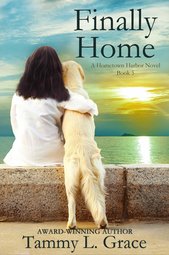
I find the same enjoyment when creating characters and stories. My women’s fiction series is set in the San Juan Islands, off the coast of Washington state. While on a trip to the area, I saw a woman on the ferry with a golden retriever. As I watched her, the beginning of the story for my first novel, Finding Home, took root. In the Hometown Harbor Series, I created a community of people in one of the most beautiful settings I’ve visited.
Each of the stories features a different woman, who is in the midst of a journey of self-discovery. I love to read series and enjoy novels in which characters are intertwined and appear throughout. In these works, I’ve tried to create a place readers want to visit. They’re the type of books readers can curl up with and get lost in, while sipping a cup of tea. I also purposely created characters that were a bit more mature than those in many modern novels. The women in the series are easy to relate to and have problems readers in their forties, fifties, and beyond will find familiar. The fifth book in this series, Finally Home, releases on June 20th.
My favorite types of books to read include mysteries and thrillers. While on a trip to Nashville, the idea for a mystery series was hatched. I created a lovable bachelor detective who lives with his aunt in the exclusive Belle Meade area in Nashville. My main character, Coop, and his dog, Gus, along with his right-hand woman, Annabelle, find themselves in the midst of twisty murder cases. I released the second book in the Cooper Harrington Detective Series, Deadly Connection, late in 2016. I find writing in the mystery genre to require a more detailed outline and process than the more character-centered women’s fiction genre. I enjoy the challenge of creating a twisty, but believable plot for the murder mystery.
I’ve discovered visiting new areas and travel inspire my ideas. I love character creation and spend a lot of time interviewing my characters so I’m able to develop them for my readers. I’m also a people-watcher and pay close attention to how people act and what they say. It’s a great exercise for building characters or coming up with a new personality.
In person I like no drama. Creating stories and characters fills the void in my otherwise predictable and prosaic life. I’m having much more fun in this next chapter of my life than in my pre-retirement years. I wish you the joy of finding many good books to fill your days. I’d love to hear from readers, so please connect with me by visiting my website at http://www.tammylgrace.com/.
– Tammy Grace
(Tammy L. Grace writes romance and mystery books. Visit her at http://www.tammylgrace.com)

 Bonnie McCune, author